Vintage Edits
The New Language Of Luxury.
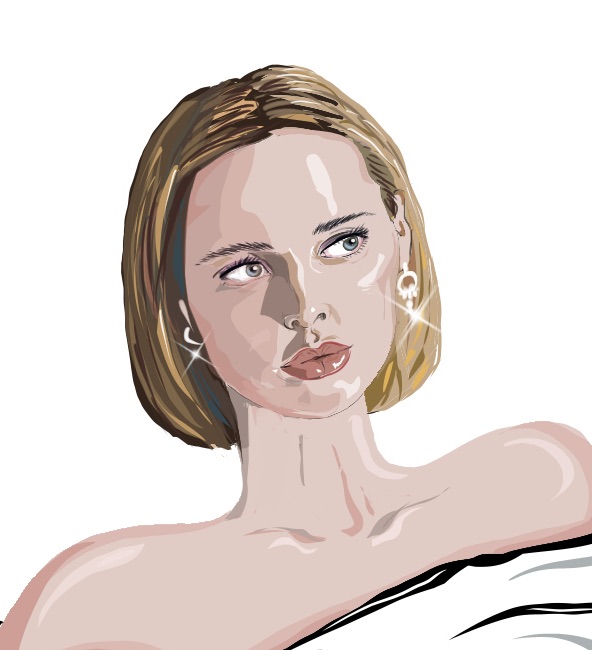
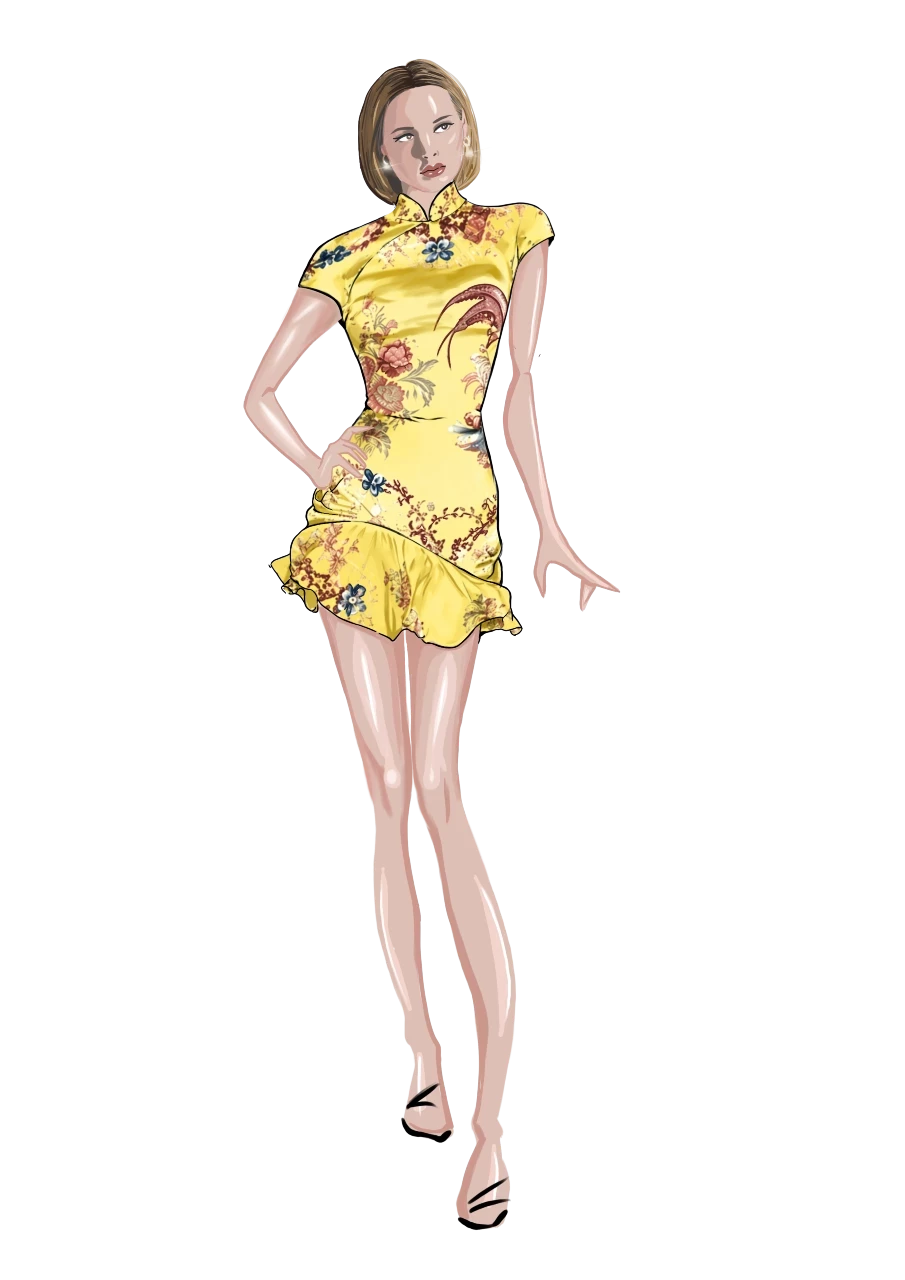
THERE WAS A TIME when vintage was whispered about - hidden in discreet boutiques, reserved for collectors, or dismissed as nostalgic indulgence. Today, it speaks with confidence. Not loudly, but with precision. Vintage has become one of the most intelligent choices in fashion - a statement not only of style, but of awareness.
In a world saturated with immediacy, where trends are consumed and forgotten within weeks, vintage offers something far more compelling: permanence. It allows a woman to step outside of repetition and into authorship. To wear vintage is not to follow fashion, but to edit it.
What defines this shift is not simply aesthetics but intention. The modern woman is no longer interested in owning more - she is interested in owning better. Pieces with history. Pieces with emotion. Pieces that cannot be endlessly replicated.
Sustainability, of course, plays its role but in today’s luxury landscape, it is no longer the headline. It is the expectation. Vintage answers that expectation effortlessly, offering beauty without excess, and rarity without production.
But not all vintage holds the same power.
What we are witnessing now is the rise of archival fashion, a more refined, more selective approach. The focus has moved from “old” to significant. From second-hand to story-driven. Collections that once lived on the runway are being rediscovered, recontextualized, and worn with a new kind of relevance.
Designers like John Galliano at Dior created pieces that feel almost untouchable today - dresses with narrative, silhouettes rich in movement, and a sense of drama that defined an era. These are not garments, but expressions of a moment in fashion when creativity was fearless and unapologetically emotional.
Equally, Roberto Cavalli has re-emerged as a defining reference for the current mood. His early 2000s designs - fluid, sensual, and unapologetically bold - align perfectly with today’s return to visibility. Animal prints, once considered excessive, now read as confident and instinctive. A Cavalli dress is not simply worn; it is inhabited.
And this is precisely where vintage becomes most interesting.
The modern wardrobe is no longer built on restraint alone. After years of minimalism, fashion is rediscovering its appetite for expression. Color has returned. Prints have returned. Presence has returned. And vintage delivers all of this with authenticity - because it belongs to a time when fashion was less calculated, more emotional.
Among the most sought-after pieces today, vintage bags remain the entry point. The Dior Saddle, the Fendi Baguette, the classic Chanel flap - these are objects that move effortlessly between eras. Familiar, yet never identical. They carry their past lightly, adding depth rather than nostalgia.
Still, the true value of vintage lies in rarity.
Not every piece qualifies. The difference is in the origin - the runway, the collection, the context. A Galliano-era Dior piece or a Cavalli dress from a specific season holds weight because it represents a precise moment in fashion history. It cannot be reproduced, only rediscovered.
This is where vintage aligns with the purest definition of luxury: not visibility, but exclusivity. Not price, but scarcity.
What makes vintage so relevant now is not just what it is - but what it allows. It allows a woman to build a wardrobe that feels personal, intentional, and slightly untouchable. A wardrobe that does not rely on trends, but on instinct.
Vintage is no longer about looking back.
It is about knowing exactly what is worth bringing forward.
The views and opinions expressed herein are the views and opinions of the author and do not necessarily reflect those of The Monegasque™.
Disclosure: The Monegasque™ enhances the editing process with the help of carefully selected AI tools. These tools provide valuable support without taking over the editing process completely, ensuring that the final product is the result of human creativity and expertise augmented by the benefits of enhanced technology. This article is protected under the copyright of The Monegasque™. Unauthorized reprinting, republishing, or rewriting of this content is strictly prohibited without explicit permission from The Monegasque™. Quotations from this material are permissible provided that a direct link to the full article on The Monegasque™ is included.