The Weight And Wonder Of Legacy
How Vitality Of The Art Market Depends On The Strength Of Its Ecosystem.
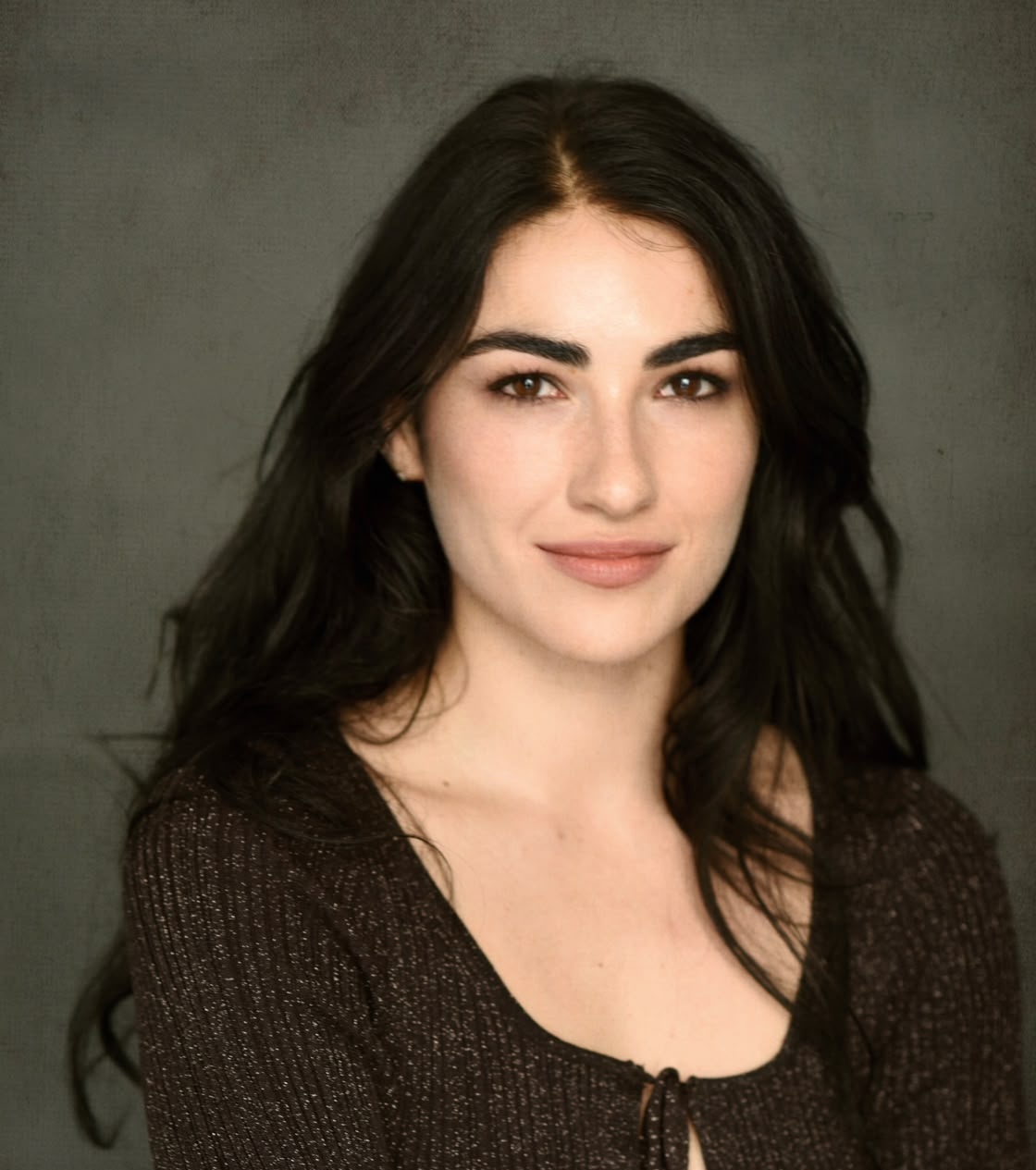
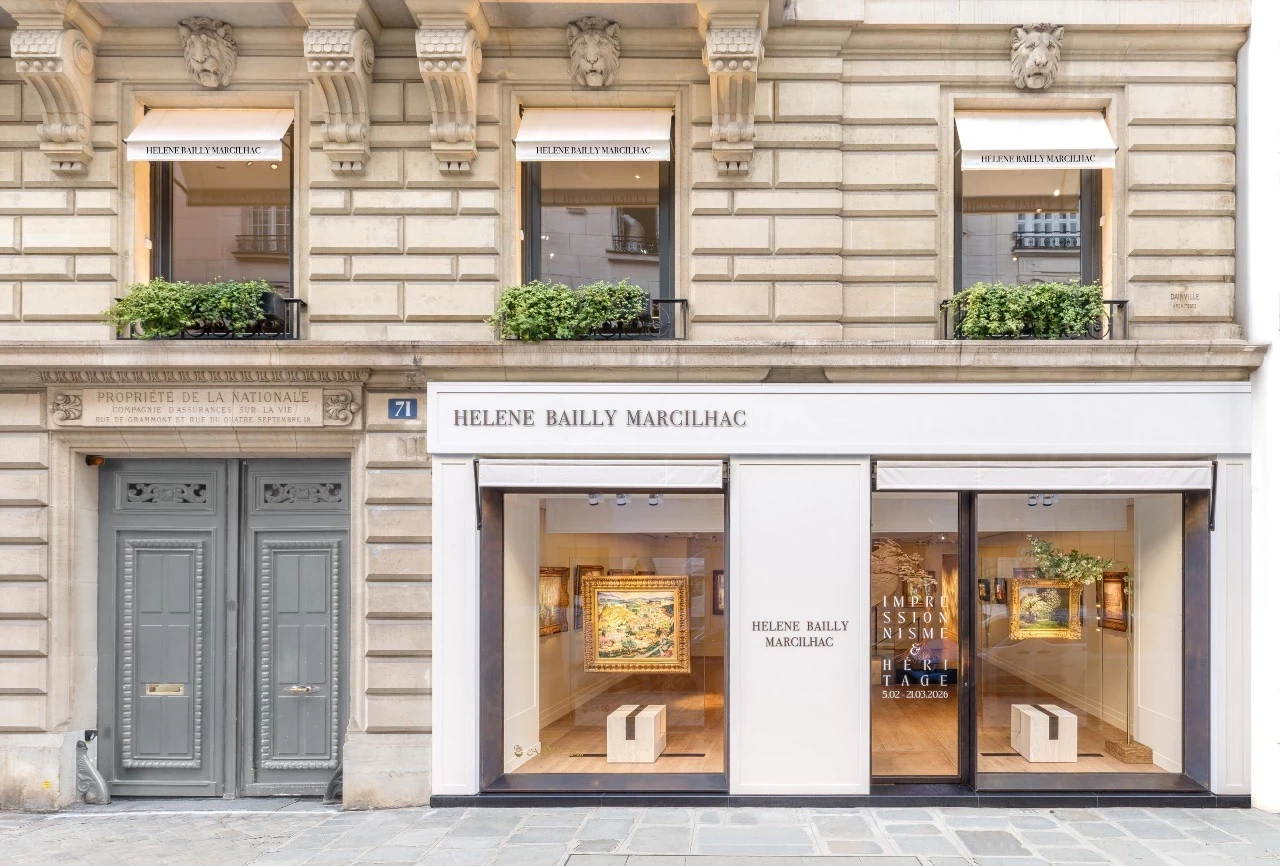
A MATTER OF EXPERTISE and Conviction: Reflections on Legacy, Independence, and the Future of the Modern Art Market.
In the high-stakes theater of the international art world, there are those who merely trade in objects and those who serve as custodians of culture. Hélène Bailly Marcilhac belongs unequivocally to the latter. Holding a recognized place in the world of art and antiques, she stands out for a constant commitment and a widely acknowledged expertise that has made her a cornerstone of the Parisian scene. Her influence is not merely anecdotal; it is institutional. A member of both the Comité Professionnel des Galeries d’Art and the Syndicat National des Antiquaires, she also serves as an accredited expert with the Chambre Européenne des Experts d’Art and sits on the Comité du Faubourg Saint-Honoré. This is not just a resume; it is a map of a life dedicated to the rigor of the craft.
When she chose to relocate her gallery to 71 rue du Faubourg Saint-Honoré in 2015, the move was a deliberate act of independence in one of the most demanding markets on earth. Yet, it was also a homecoming. By establishing herself in the 8th arrondissement, she returned to the very district where her parents had first begun their work. It was a move that balanced the weight of family legacy with the sharp edge of innovation.
Hélène grew up in an entire ecosystem of aesthetic sensibilities. With a grandmother who was an antiques dealer, a grandfather who was an auctioneer, and parents running a gallery on the Quai Voltaire, the ethics of the art world were discussed with the same familiarity as the weather. But she understood early on that a family name provides foundations, not expertise. This realization drove her to a rigorous academic path: law at Paris II Panthéon-Assas, specialized art market studies in London, and a formative tenure in the Impressionist and Modern Art Department at Sotheby’s New York. By the time she took over the family gallery in 2007, she had wedded a century of tradition to a modern, international perspective.
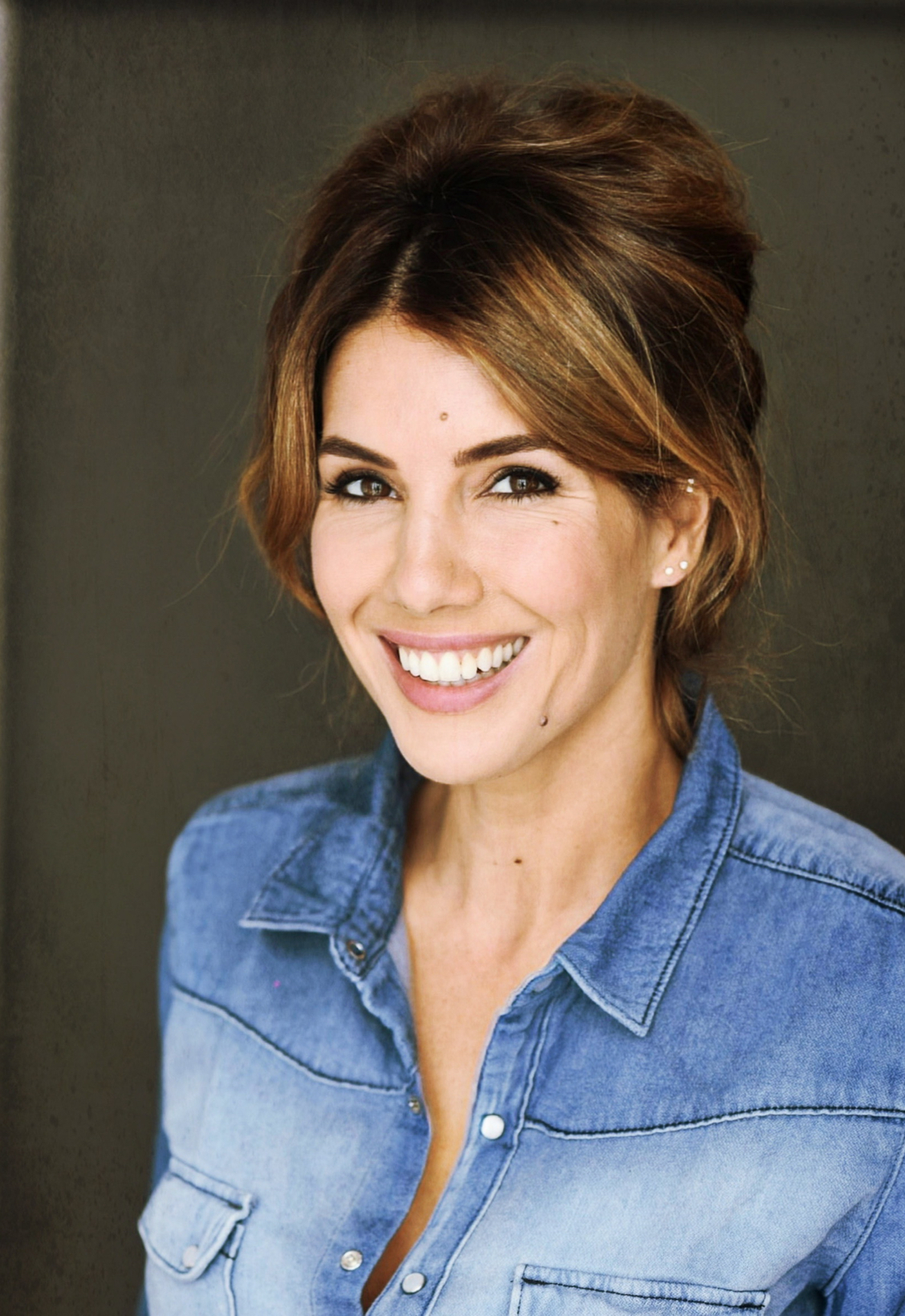
The Paris art market today is a sophisticated architecture structured around an ongoing dialogue between galleries, institutions, and major auction houses. The concentration of giants like Christie’s, Sotheby’s, Artcurial, Bonhams, and Phillips confirms the capital’s central role in global artistic exchanges. In this environment, Hélène argues that the profession of the art dealer lies at the very origin of the market.
As Hélène reflects, “In my view, the profession of the art dealer is a profound, almost intuitive commitment. We choose to believe in works of art and in artists, investing in them not only financially, but also with time and considerable energy. This conviction leads us to defend them, to place them within a broader history, and to reveal their full significance.”
She is vocal about the distinction between a gallery and a broker. For her, galleries truly shape the market because they purchase the works themselves - a deeply human, financial, moral, and emotional commitment. This is the “noble” side of the profession. Within a modern art gallery like hers, the mission is one of enhancement and contextualization. It is about creating dialogues between works - placing Monet and Renoir in conversation with the masters of abstraction, or Picasso, Matisse, and Miró alongside Dalí and Chagall.
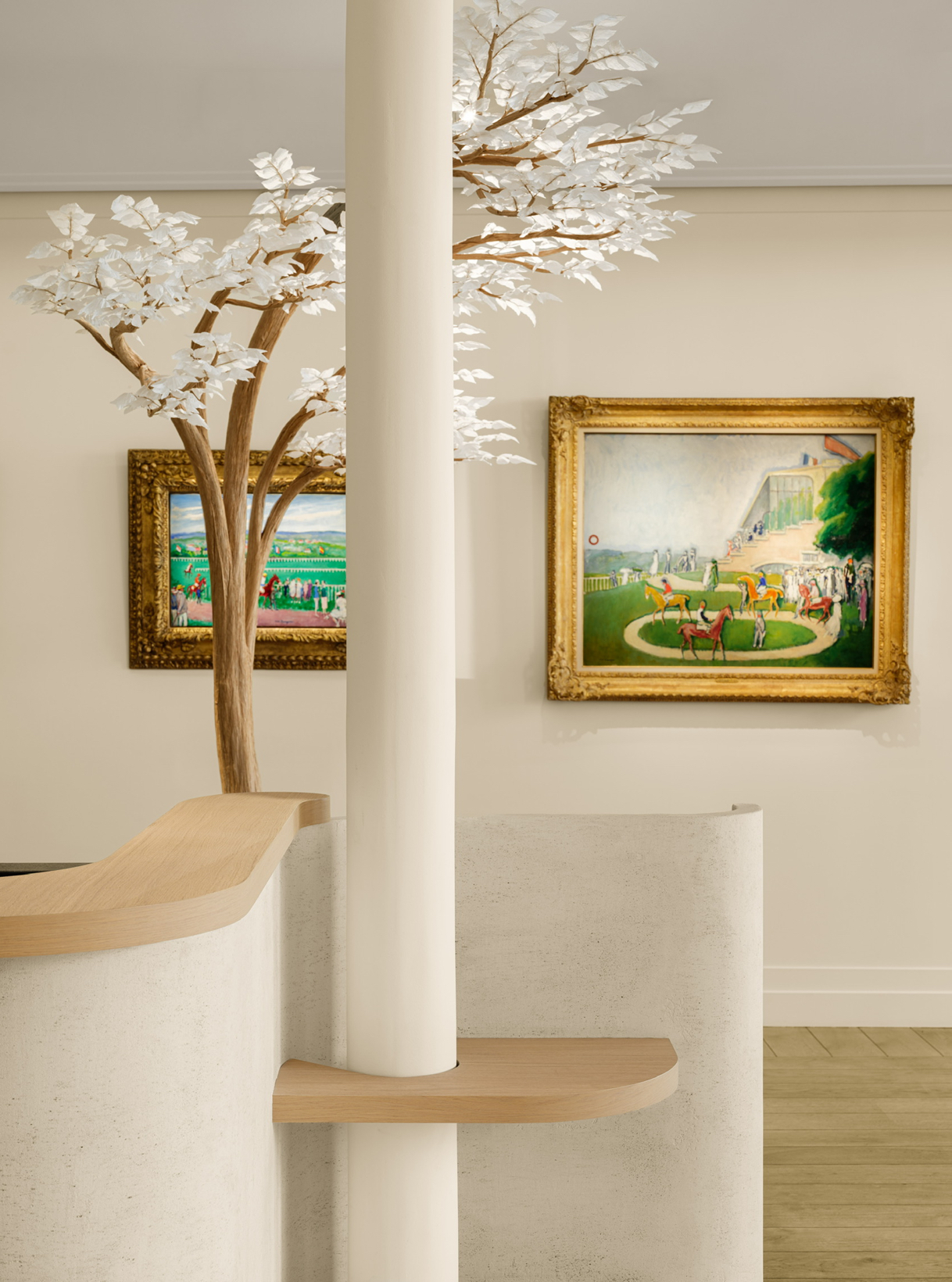
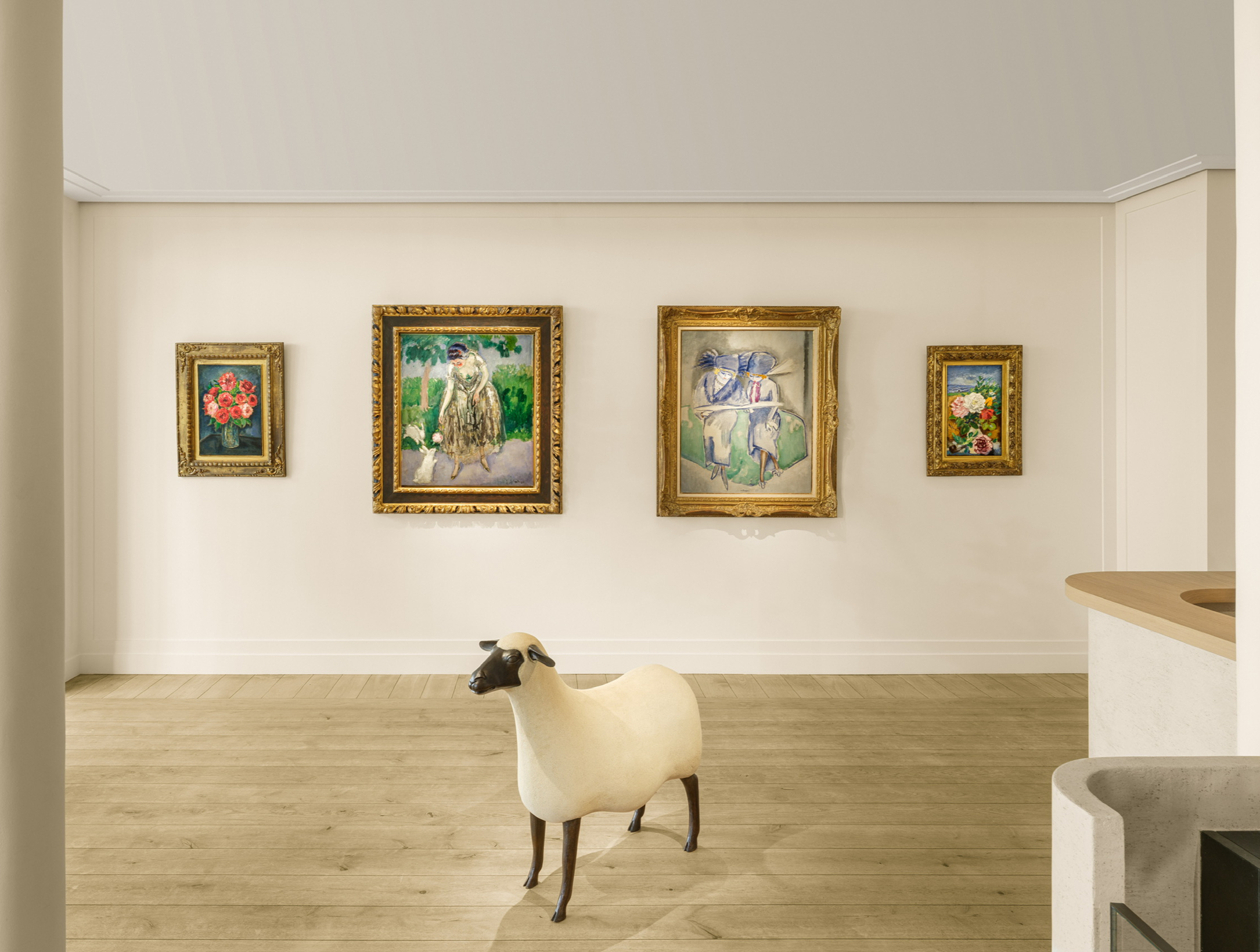
By illuminating these lineages, the gallery transforms from a commercial space into something closer to an educational institution - an “open museum” where visitors are offered keys to analysis. History has demonstrated this role through legendary figures like Durand-Ruel and Bernheim-Jeune, and Hélène continues this tradition, actively contributing to the lasting recognition of works within art history. This level of rigor has led to genuine intellectual partnerships with the world’s great institutions, between the Musée d’Orsay, the Quai Branly, the Van Gogh Museum, or even the MOMA. Her commitment to the industry’s vitality is perhaps most visible in her civic leadership. In 2024, she co-founded the Association Matignon Saint-Honoré alongside Alexis Lartigue and Raphaël Durazzo. By 2025, this association has brought together around 40 galleries and the district’s five major auction houses. Supported by prestigious partners, they work to promote the artistic scene of the 8th arrondissement, rooted in the belief that individual success is inseparable from collective responsibility. When professional standards are upheld across a sector, everyone - from the occasional buyer to the seasoned collector - benefits.
This philosophy of “enlightened self-interest” finds a particularly meaningful echo in the gallery’s current monographic exhibition devoted to Kees van Dongen. From the 1920s onward, Van Dongen developed a natural connection with the Principality of Monaco, drawn to the cosmopolitan and refined atmosphere of Monte Carlo. The Riviera nourished an evolution in his painting towards greater light, sensuality, and sophistication. While he never settled there permanently, Van Dongen drew precious inspiration from the Principality, making it a living extension of the refined world that this exhibition seeks to explore.
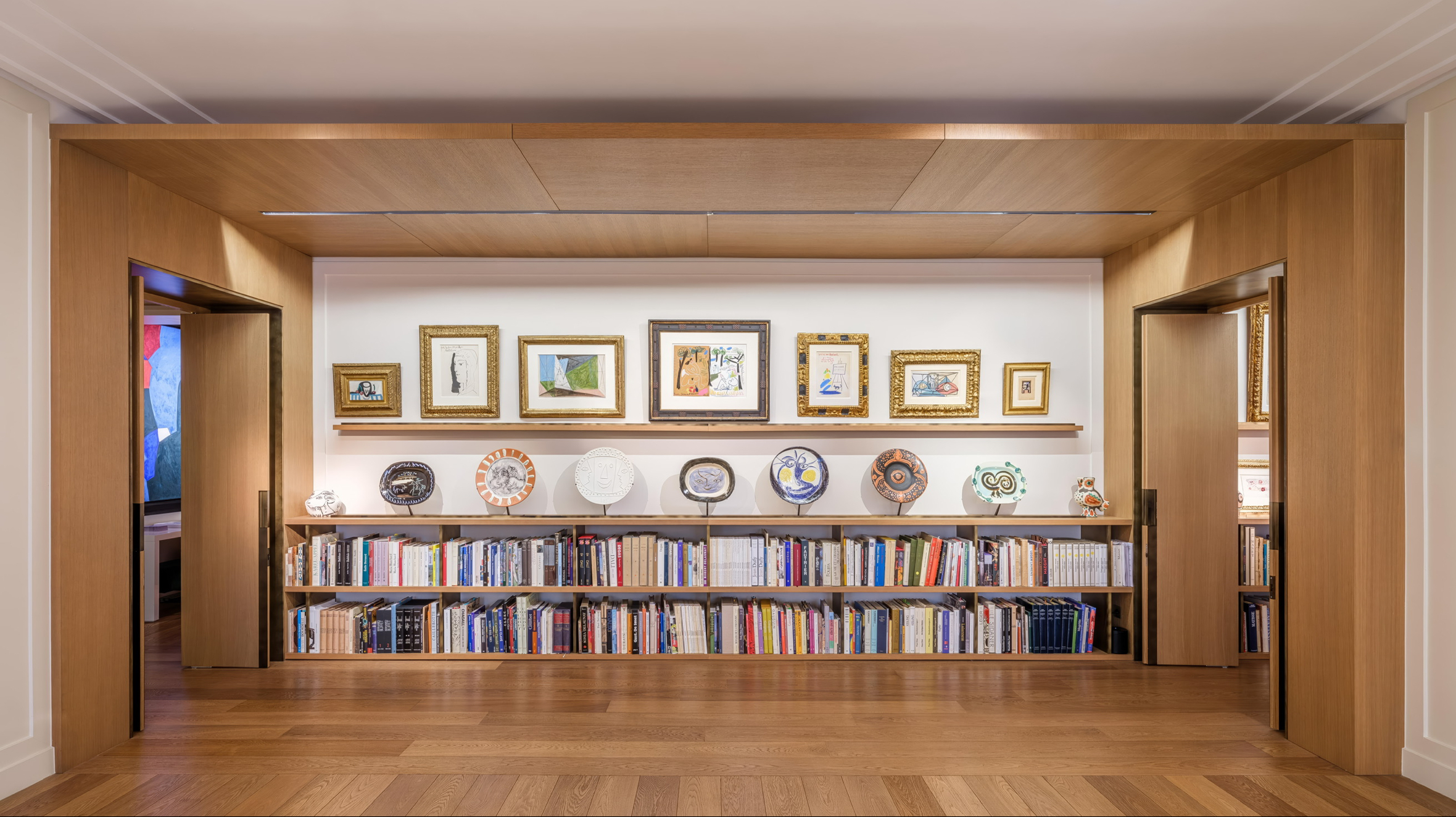
As the Van Dongen exhibition comes to a close, HELENE BAILLY MARCILHAC continues its remarkable curatorial journey with THE SEVENTIES (3 June-5 September 2026), featuring artists including Hartung, Poliakoff, Chu Teh-Chun, Miró, Sam Francis, Picasso, Chagall, Calder, Claude and François-Xavier Lalanne, and Diego Giacometti, before turning, from 8 September to 15 October 2026, to the poetic and radical world of the Nabis, with figures such as Paul Sérusier, Édouard Vuillard, Pierre Bonnard and Maurice Denis.
As the modern art market faces challenges - from speculation to issues of provenance - Hélène Bailly Marcilhac remains a lighthouse for the principles of expertise and intellectual integrity. Her ambition for the gallery on rue du Faubourg Saint-Honoré is for it to remain a place where the art trade is seen not as a financial transaction, but as an ethical practice. It is a vision of responsibility towards both the artist and the work, a legacy she received and one she is now firmly passing on to the next generation.
gallery@baillymarcilhac.com
+33 1 44 51 51 51
71 rue du Faubourg Saint-Honoré
75008 Paris
The views and opinions expressed herein are the views and opinions of the author and do not necessarily reflect those of The Monegasque™.
Disclosure: The Monegasque™ enhances the editing process with the help of carefully selected AI tools. These tools provide valuable support without taking over the editing process completely, ensuring that the final product is the result of human creativity and expertise augmented by the benefits of enhanced technology. This article is protected under the copyright of The Monegasque™. Unauthorized reprinting, republishing, or rewriting of this content is strictly prohibited without explicit permission from The Monegasque™. Quotations from this material are permissible provided that a direct link to the full article on The Monegasque™ is included.