The Future Isn’t Polished
Why Function Is The New Luxury.

FOR DECADES, the yacht industry has been defined by questions such as: How much more can we add? More teak. More marble. More crew polishing that marble. We measured success in square meters and the beauty of precious metals. We were building highly designed areas that required teams to maintain, and we called it luxury.
That era might be over. Not because we have run out of marble but because we have started asking better questions.
The shift began with a conversation about crew productivity. What if, instead of treating the crew as invisible infrastructure, we designed them for the entire ecosystem? What if we recognized that on a yacht, the most precious resource isn't the size of the master suite? Every hour a crew member spends polishing is an hour they aren't creating a meaningful experience for a guest. Every minute wasted searching for stored equipment is a minute stolen from discovery.
This insight didn't originate in yachting. It came from observing how the most innovative companies across industries have redefined value. In healthcare, the best hospitals don't measure success by the grandeur of their lobbies but by patient outcomes and the wellbeing of their staff. In hospitality, the most beloved hotels understand that the doorman who remembers your name matters more than the thread count of the sheets. In software, the greatest platforms succeed not because of features but because they reduce friction between people and what they want to achieve. The common thread is this: value flows from human connection, not from material accumulation.
So, we started involving the crew before steel was cut. The dive team designed their own tender. The galley team reimagined their workflow. Suddenly, galleys became more efficient. Maintenance burdens dropped. And the crew had more time to do what they actually signed up for: sharing their passion for the ocean with the people onboard.
This is not altruism. This is applied systems thinking. It recognizes that a yacht is a dynamic environment where friction is the enemy of experience. The surfaces we choose matter less for their aesthetic value. Teak requires sanding, caulking, oiling. Composite decking requires almost nothing. We chose the material that frees the crew to focus on higher-value activities. We bead-blasted stainless steel so it wouldn't show fingerprints. The result is a vessel where the main salon has been replaced by a communal dining space for 54 people. Where crew have access to the basketball court and sun deck. Where a laboratory and 3D printing workshop occupy the space traditionally reserved for a beach club. It's a yacht designed not to impress but to function.
And function enables purpose. The 5.5 megawatt-hour battery system enables silent nighttime operation, allowing the vessel to drift through marine sanctuaries without disturbing the very ecosystems guests come to witness. The industry talks endlessly about sustainability, but sustainability isn't just about emissions. It's about designing systems that last. It's about building vessels that justify their existence through purpose, scientific research, exploration, the creation of memories that transcend material value.
There is a wisdom here that extends far beyond yachting. In every field, we are confronted with a choice: maintain the status quo because it's familiar, or embrace a philosophy of improvement because it's right. The world is shifting toward something more meaningful, toward experiences and purpose over spectacle. The companies and industries that thrive in the coming decades will be those that recognize this.
What excites me most is that this philosophy scales. It applies to the 100m-yacht and the 25m-explorer. It applies to the galley and the bridge. It asks not "How much can we add?" but "What truly matters?" The answer, I have come to believe, is not more things. It's more time. More connection. More discovery.
That is the future of yachting. And it doesn't require a single strip of teak.
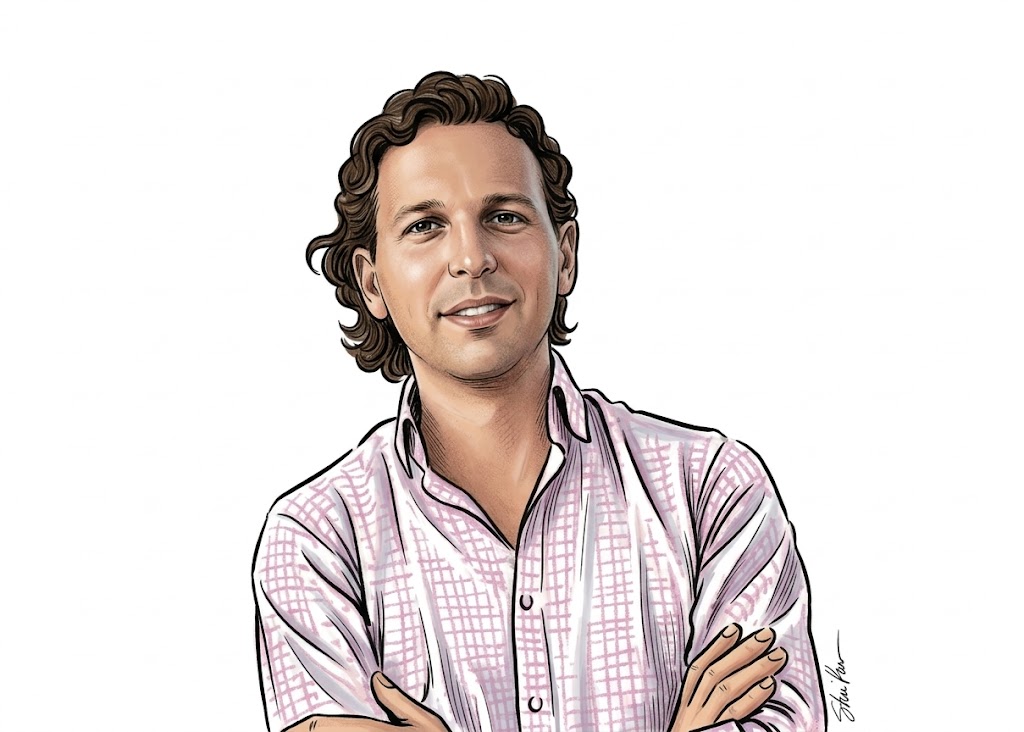
Illustration by Daniel Sudi
The views and opinions expressed herein are the views and opinions of the author and do not necessarily reflect those of The Monegasque™.
Disclosure: The Monegasque™ enhances the editing process with the help of carefully selected AI tools. These tools provide valuable support without taking over the editing process completely, ensuring that the final product is the result of human creativity and expertise augmented by the benefits of enhanced technology. This article is protected under the copyright of The Monegasque™. Unauthorized reprinting, republishing, or rewriting of this content is strictly prohibited without explicit permission from The Monegasque™. Quotations from this material are permissible provided that a direct link to the full article on The Monegasque™ is included.