The Boy Who Raced The World
... From His Bedroom.
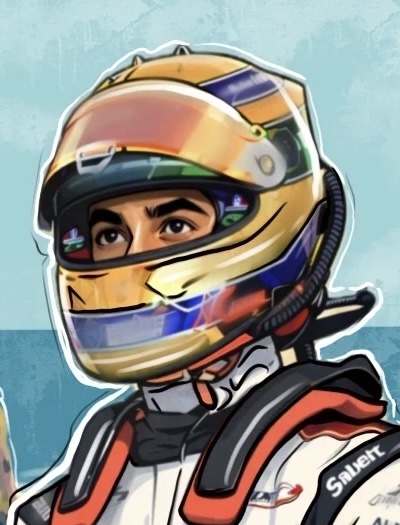
THERE IS A SPECIFIC, lonely kind of magic in the hum of a cooling fan at three in the morning. For most nine-year-olds, that sound belongs to a bed-side humidifier or a computer left running by mistake. For me, it was the soundtrack to a world where I wasn't a child, but a peer to giants.
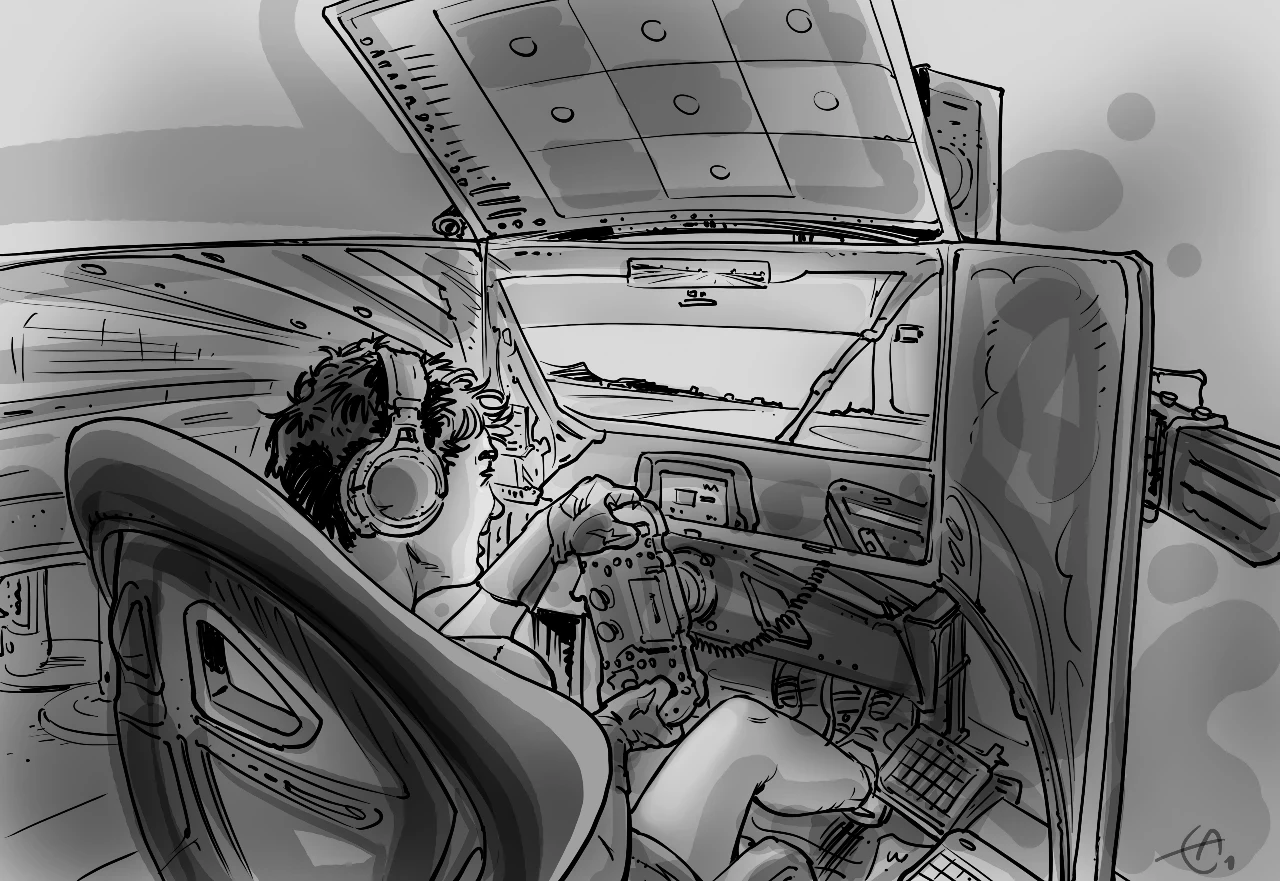
My life in racing didn't start with a grand ceremony; it began with a father who saw a spark and refused to let it flicker out. He was the one who strapped a three-year-old into a kart while the neighbors whispered about "the crazy dad." More importantly, he was the one who sat in a garage with a welder and a hacksaw, shortening a professional racing rig because his son's legs were simply too short to reach the pedals. That custom-built simulator wasn't just equipment; it was an act of love. It was his way of saying, If the world isn't built for you yet, we will build a smaller version of it.
By the time 2020 arrived, I was starting to find my rhythm on the physical tracks of Europe. Then, the world buckled.
I remember the sudden, eerie quiet of the Milan airport. We were heading home, chased by headlines of a virus straight out of a sci-fi movie. Within weeks, the gates to the paddocks were chained shut. For a driver, time is the only currency that matters and, suddenly, we were all bankrupt. I was stuck in my room, staring at the walls, watching the momentum of my young career evaporate into the tropical heat of Brazil.
But then, the digital world offered a lifeline. Through veteran journalist Rodrigo França, an invitation arrived that felt like a dare: a virtual championship against the gods of Brazilian motorsport. Names I had only seen on television - Massa, Barrichello, the Fittipaldis - were suddenly on my entry list. The question was not whether I was fast; it was whether a nine-year-old had the emotional RAM to handle the pressure of racing men who had survived the Tamburello curve and the banking at Indy.
I will never forget the first time I saw my name on the timing screen at Suzuka. I was P15. I remember looking down at my hands on the wheel - they looked so small, so out of place against the carbon-fiber aesthetic of the rig. I felt like an interloper in a tuxedo that didn't fit. But when the green light flashed, the "child" disappeared. There was only the telemetry, the slipstream, and the red-mist focus of a racer.
People didn't believe a kid was out-braking Formula One veterans, so we had to prove it. We set up a "pedal-cam" and the world watched my feet - still in socks, barely filling the shoes - dancing across the metal plates with a frantic, rhythmic grace. It turned the skepticism into something else: inspiration. I wasn't just a driver anymore; I was a reminder that while the world was hiding in its homes, we could still find a way to chase each other.
The breaking point came at Hockenheim. When I took the checkered flag for my first win against the pros, the silence of my bedroom was deafening. I didn't celebrate with a burnout or a scream. I just let go of the wheel and cried. My father, who had been standing in the shadows of the room for two hours, barely breathing, broke down with me. We weren't just celebrating a win in a video game. We were celebrating the fact that, for a moment, the pandemic hadn't won. We had found a crack in the lockdown and driven right through it.
Almost overnight, my world changed again. My Instagram jumped from 1,000 to 150,000 Followers. I received messages from kids all over the world who were also stuck in their rooms, looking for a way out. I realized then that my SIM racing wasn't a substitute for reality - it was a bridge to it.
Today, I live in Monaco. I walk past the statue of Fangio and the bronze bust of Senna on my way to school. People see the "11,000 iRating" or the F3 seat, but they don't see the hours spent in a dark room with a custom-built rig and a father who refused to let me stop dreaming.
I'm still that kid in the socks, dancing on the pedals, trying to prove that the size of the driver matters far less than the size of the dream. As my father always told me: give your life to the pursuit, and the world will eventually have to make room for you.
The views and opinions expressed herein are the views and opinions of the author and do not necessarily reflect those of The Monegasque™.
Disclosure: The Monegasque™ enhances the editing process with the help of carefully selected AI tools. These tools provide valuable support without taking over the editing process completely, ensuring that the final product is the result of human creativity and expertise augmented by the benefits of enhanced technology. This article is protected under the copyright of The Monegasque™. Unauthorized reprinting, republishing, or rewriting of this content is strictly prohibited without explicit permission from The Monegasque™. Quotations from this material are permissible provided that a direct link to the full article on The Monegasque™ is included.