Studying At Full Throttle
My Country Produces Racing Drivers At A Rate That Defies Logic, Geography, And Economics. Will I Simply Be The Next Name On A Long Statistical List - Or Something Else Entirely?
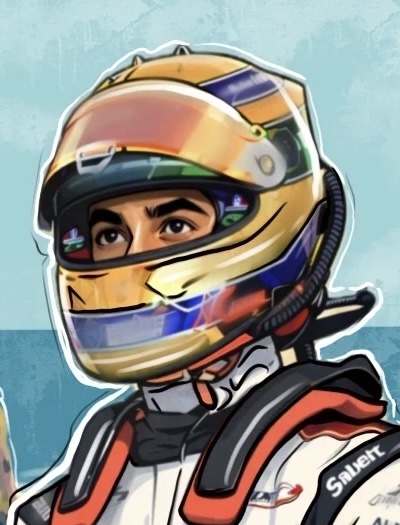
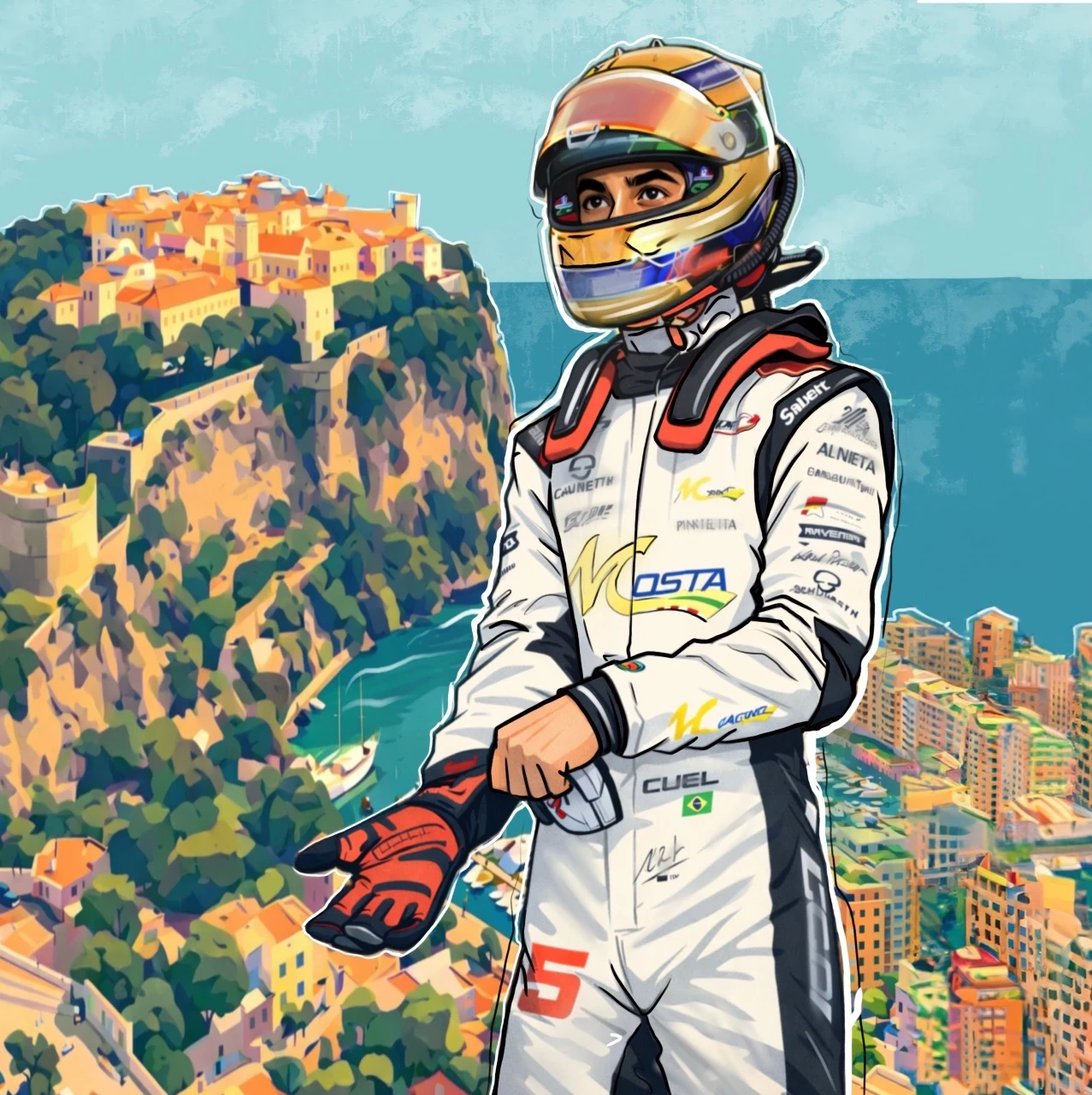
THERE IS A CERTAIN HOUR in Monaco - after the sun has slipped behind the hills of the Tête de Chien, and before the harbor fully settles - when the Principality seems to remember itself. Engines once screamed here. Legends once walked these pavements quietly, anonymously, long before the world learned their names. Living here, you feel that memory in the air. And when a young Brazilian driver chooses Monaco as home, the city, almost imperceptibly, pays attention.
It does so with skepticism, and I understand why. Monaco has seen ambition arrive loudly and vanish just as quickly. But it has also learned to recognize patterns. One of them remains impossible to ignore. My country, improbably and persistently, produces racing drivers at a rate that defies logic, geography, and economics. Even I find myself wondering - only half in jest - what exactly is in the water back home.
The numbers alone are sobering. My country has eight Formula One World Championships, placing it among the top three nations in Formula One history, alongside Britain and Germany. For a nation without Europe’s infrastructure or funding pipelines, that statistic still feels slightly unreal. Those titles belong to different eras and different temperaments: Emerson Fittipaldi, Nelson Piquet, and Ayrton Senna - three drivers, eight titles, three completely distinct philosophies of speed.
And the story does not stop with Formula One. In American open-wheel racing, drivers from my country have left fingerprints everywhere - most vividly at the Indianapolis 500, where Brazilians have claimed eight victories across generations: Emerson Fittipaldi in 1989 and 1993; Hélio Castroneves in 2001, 2002, 2009, and again in 2021; Gil de Ferran in 2003; and Tony Kanaan in 2013. Add to that other major achievements across endurance and touring-car racing - drivers like Augusto Farfus, a winner at Le Mans and Daytona and a constant presence at the highest level of GT competition - and the picture becomes broader, richer, and harder to dismiss.
Do I draw inspiration from all of that? Absolutely - and very consciously so. It does not intimidate me. It never has. If anything, it fuels my appetite. Those victories don’t feel like a weight to carry; they feel like proof of concept. Evidence that drivers from my country don’t belong to a single era or a single discipline. They adapt. They endure. They win - on ovals, on street circuits, in single-seaters, in endurance cars. I don’t hear those names as expectations. I hear them as encouragement. A quiet insistence that excellence, where I come from, is not an exception but a tradition - one I hope to honor in my own way, in my own time.
When I quietly settled in Monaco with my parents, there were no headlines. That was never the point. Curiosity, if anything, followed - not the loud kind, but the watchful type this place is known for.


The views and opinions expressed herein are the views and opinions of the author and do not necessarily reflect those of The Monegasque™.
Disclosure: The Monegasque™ enhances the editing process with the help of carefully selected AI tools. These tools provide valuable support without taking over the editing process completely, ensuring that the final product is the result of human creativity and expertise augmented by the benefits of enhanced technology. This article is protected under the copyright of The Monegasque™. Unauthorized reprinting, republishing, or rewriting of this content is strictly prohibited without explicit permission from The Monegasque™. Quotations from this material are permissible provided that a direct link to the full article on The Monegasque™ is included.