Racing Towards A Sustainable Future
Formula One’s Green Revolution Picks Up Speed.

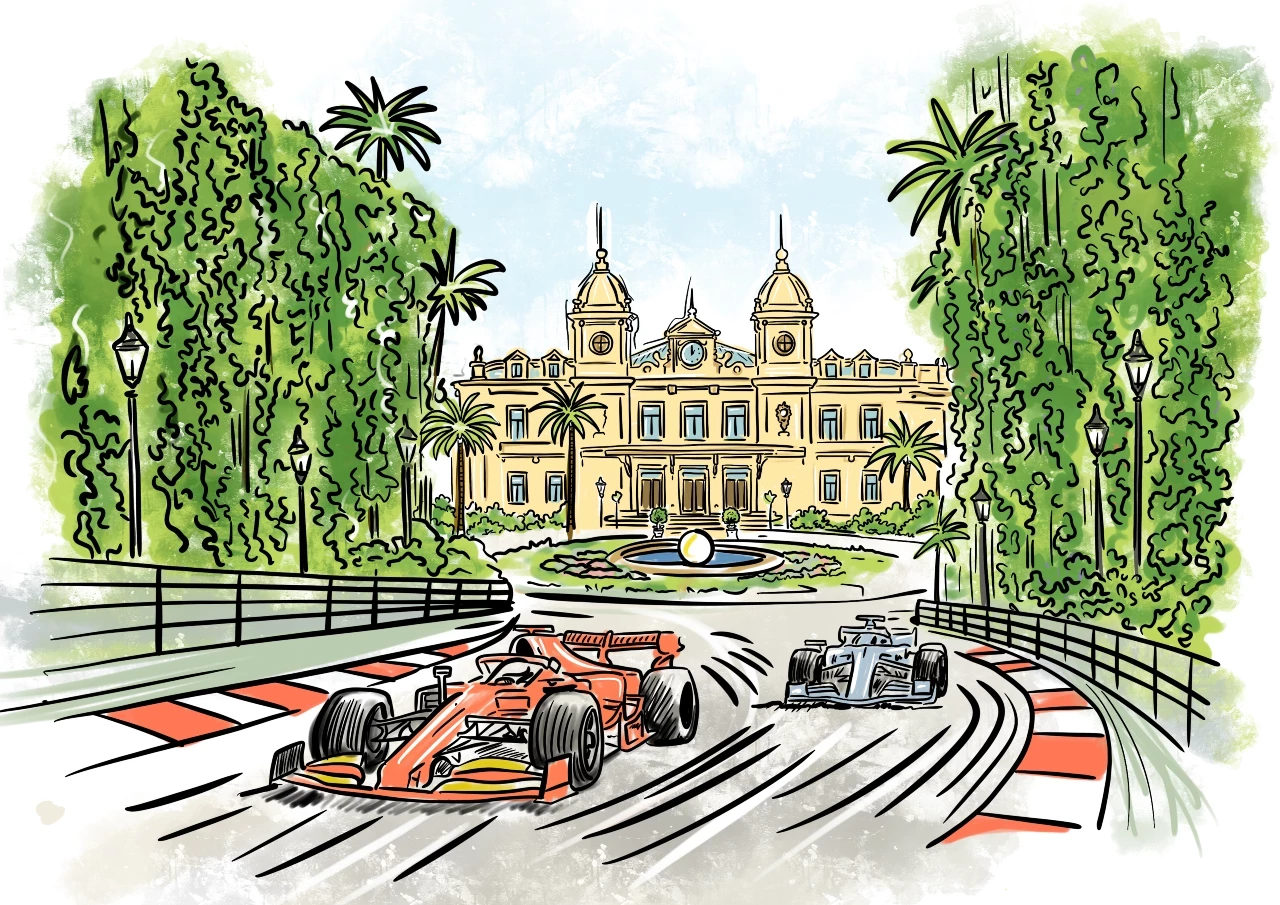
FORMULA 1 HAS LONG been synonymous with high-octane excitement, but in an era of climate change when urgent action is needed, this pinnacle of motor sport is shifting gears to prioritize environmental sustainability. Its bold commitment to achieving Net Zero carbon emissions by 2030 follows a clear roadmap.
By the end of 2024, the sport's major emission sources - travel, energy use, and fuel consumption - had been reduced by 26% compared to the 2018 baseline, and one of the most transformative changes began this year - switching to 100% advanced sustainable fuels. Derived from sources like carbon capture, municipal waste, and non-food biomass, these fuels will power the next-generation energy-efficient hybrid engines. Currently, F1 cars run on a 10% ethanol blend, but the 2026 transition ensures no new fossil carbon is introduced on the track.
Logistics optimization is another priority. The 2026 calendar minimizes transatlantic flights and long-haul freight, for example, by scheduling the Canadian Grand Prix in May and the Monaco Grand Prix in early June to consolidate the European season. Investments in sustainable aviation fuel (SAF) already reduced related emissions by about 19% in 2024, thanks to partnerships with DHL and Qatar Airways. On the ground, biofuel-powered trucks and battery-backed paddocks are becoming standard.
Beyond fuel and travel, F1 has banned single-use plastics, shifted paddocks and broadcast centers to renewable energy, and encouraged teams to adopt eco-friendly practices. Support series like Formula 2 and Formula 3 already run on fully sustainable fuels, paving the way for the main championship.
These measures not only cut emissions but also position F1 as a testing ground for technologies that could benefit road cars, demonstrating that high-performance racing and environmental stewardship can coexist.
The tire company Pirelli achieved 100% renewable electricity in its production facilities by 2025. It uses FSC-certified natural rubber to avoid deforestation, relies increasingly on computer simulations to reduce physical prototypes and resource use, and recycles end-of-life tires into secondary products like playground surfaces and athletic tracks.
In Monaco, the Grand Prix has become a balancing act of prestige, economy, and ecology. Its winding street circuit presents unique challenges, yet Monaco has embraced sustainability in line with both F1’s goals and the country’s own ambition of carbon neutrality by 2050.
For the Grand Prix, organizers have introduced reusable and recyclable cups since 2019, eliminated single-use plastic bottles, set up waste sorting stations, and promoted an eco-spectator charter encouraging recycling, no barbecues, and respect for local ecosystems. The circuit operates on 100% renewable energy during race weekends, while Monaco bans single-use plastics (bags, straws, cutlery) and aims for zero single-use plastic waste by 2030.
In 2025, the Principality hosted hydrogen fuel cell and electric vehicle races, reinforcing its role as a hub for clean mobility. These efforts integrate with broader infrastructure like EV charging stations, solar installations, and green architecture.
The GP also delivers massive economic benefits, representing Monaco’s highest revenue period of the year. Hotel rooms book out months in advance, with occupancy often hitting 100% and some luxury establishments generating up to 30% of their annual revenue during this single weekend. Room prices surge by 350–450% or more to meet demand from fans, celebrities, teams, and corporations. Restaurants triple services and see booming sales, while broadcasting rights, on-site tickets, premium hospitality, and high-value advertising add substantial income. Apartment rentals especially balconies, terraces, and yachts overlooking the circuit command peak prices.
Despite Monaco’s year-round traffic congestion from locals and tourists, race week brings a dramatic shift with private cars being largely banned from the streets. Main roads close to normal traffic and are dedicated exclusively to racing, practice, and related activities. This reduces everyday congestion, enhances safety, and creates a spectacle-focused environment.
Monaco bridges tradition and innovation by pairing the Monaco Historic Grand Prix (classic cars) with modern electric vehicle demonstrations and races. This contrast symbolizes ecological commitment showcasing sustainable mobility alongside F1’s high-performance spectacle while drawing enthusiasts worldwide. During the event, local working life largely pauses, transforming the streets of one of Europe’s smallest countries into a world-class arena.
These economic and logistical realities complement Monaco’s sustainability efforts. Restricting private vehicles and promoting low-emission alternatives during race week minimizes additional strain in a dense urban setting. Initiatives like renewable energy, reusable materials, and plastic bans align with the principality’s carbon neutrality goal. The reduced car usage provides a practical model for how major events can lower emissions without sacrificing excitement or revenue often estimated in the tens to over €100 million in boosted activity.
While Monaco’s initiatives are impressive, opportunities remain to lead more aggressively. Greater emphasis on biodiversity such as expanding urban rewilding with more green spaces along the route could offset emissions and improve air quality.
Vertical gardens and green walls offer particularly powerful natural solutions here: installing living walls on buildings, street structures, and even areas like the Tunnel would clean the air naturally by absorbing pollutants, capturing fine particles, and releasing oxygen, while creating a vibrant, lush green appearance and combatting urban heat. These plant-based efforts provide sustainable, low-maintenance greenery that enhances biodiversity and visual appeal in Monaco’s compact urban landscape.
Promoting sustainable spectator transport through incentives for public transit or carpooling would further reduce traffic-related emissions. A percentage-based carbon price could also be added to ticket sales, with the revenue dedicated to making Monaco greener and cleaner on land and at sea. For example, ticket-linked carbon offset programs could fund local reforestation, marine conservation, or the expansion of green walls, leveraging Monaco’s coastal setting. And technologies like AI-optimized energy for temporary structures or zero-waste catering would complement F1’s 2026 fuel advancements.
Deeper collaboration with Formula 1 could position the Grand Prix as a “green showcase” with eco-themed fan zones or NGO partnerships. Trialing SAF for team flights to the Principality, hosting more support race demos focused on sustainability, or publicly reporting annual event emissions to set a transparency benchmark would boost global appeal while advancing carbon neutrality for both motorsport and Monaco.
The views and opinions expressed herein are the views and opinions of the author and do not necessarily reflect those of The Monegasque™.
Disclosure: The Monegasque™ enhances the editing process with the help of carefully selected AI tools. These tools provide valuable support without taking over the editing process completely, ensuring that the final product is the result of human creativity and expertise augmented by the benefits of enhanced technology. This article is protected under the copyright of The Monegasque™. Unauthorized reprinting, republishing, or rewriting of this content is strictly prohibited without explicit permission from The Monegasque™. Quotations from this material are permissible provided that a direct link to the full article on The Monegasque™ is included.