Engineering Art
Where Motorsport And Collectors Intersect.

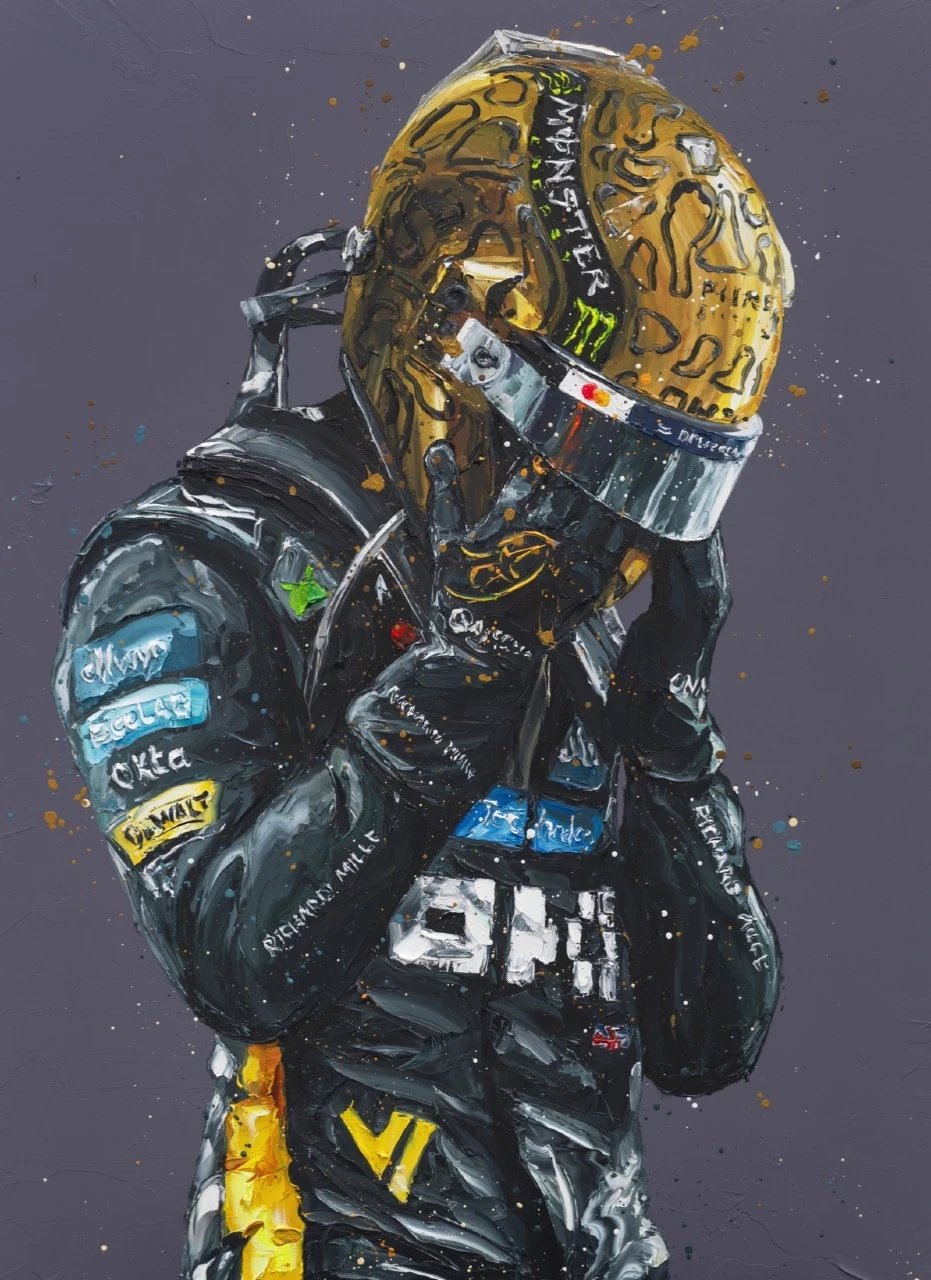
THE ROARING CANVAS of Formula 1 is about to evolve in breathtaking ways. The sport’s 2026 regulations have already reshaped the cars: smaller, lighter (down to 768kg minimum), more agile, powered by advanced sustainable fuels and near-50/50 hybrid energy split between electric and combustion. These machines do not just boast greater efficiency, they promise a visual and artistic renaissance that collectors and creators are already embracing. The future intersection of F1, art, and collecting looks more dynamic, more sustainable, and more accessible than ever.
The new rules mandate at least 55% of a car’s surface be covered in paint or stickered livery, moving away from the bare-carbon minimalism that dominated recent years. This shift encourages richer, more colorful designs. Think vibrant, storytelling palettes that echo the iconic scarlet Ferraris or the wild Benetton liveries of the past. Teams will treat cars as rolling galleries once more, with aerodynamics that include active elements (dynamically adjusting front and rear wings) creating fluid, almost organic shapes. The result? Sleeker silhouettes that inspire artists to capture motion in new ways perhaps through kinetic sculptures or digital renders that highlight the harmony between sustainability and spectacle.
Official F1 artists like Paul Oz are already releasing 2026-specific collections, featuring the fresh designs of the season. Emerging talents are sharing fan art that reimagines the “Frankenstein” hybrids (as some call them) as futuristic icons. Expect exhibitions - like the Formula 1 Exhibition, currently in Mexico City, with dedicated heritage rooms - to expand, blending historic cars with contemporary installations that explore the sport’s green pivot.
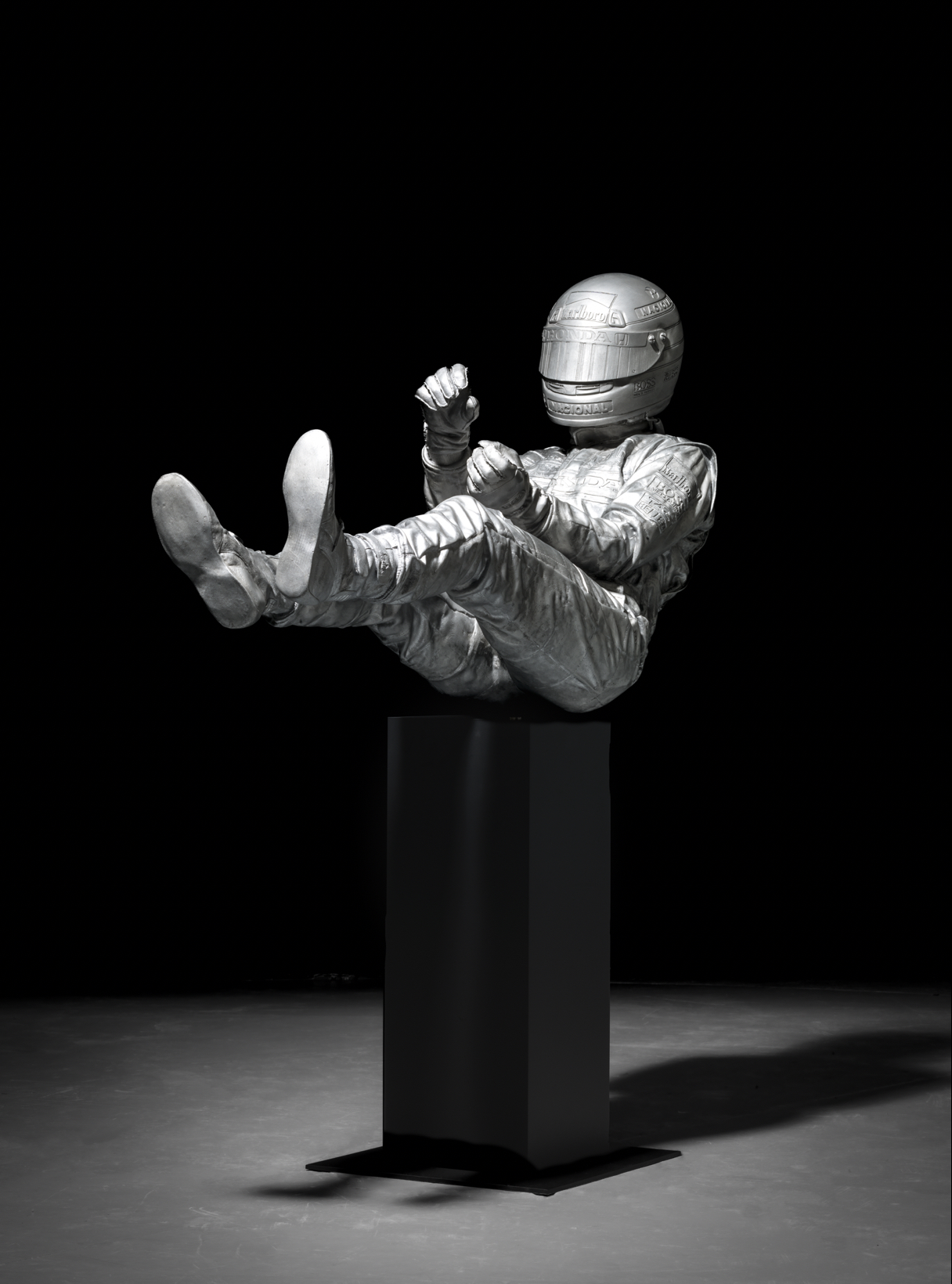
After the speculative boom and correction of the early 2020s, digital collectibles in F1 are maturing into something more meaningful. McLaren’s MCL/COLLECT program, now powered by Hedera for 2026, offers free-to-claim seasonal drops in varied art styles: four unique sets of six pieces each, starting from Melbourne. These aren’t fleeting hype assets; they’re curated digital slices of team history and future triumphs, complete with multimedia elements that let fans “own” race moments in innovative formats.
Broader blockchain tech is shifting toward provenance and utility: verifiable ownership of virtual car replicas, exclusive experiences (VIP prizes for full-set collectors), or even redeemable perks tied to physical memorabilia. As sustainability concerns around energy use ease with greener blockchains, these digital pieces become superior to some physical ones, being impossible to counterfeit, easy to display globally, and tradable without logistics. Collectors in Monaco, or anywhere with a wallet, can build galleries that blend seamlessly with traditional art.
The 2026 cars themselves are becoming collectible art faster than ever. Smaller dimensions and active aero promise visually striking machines that photographers, sculptors, and 3D artists are already immortalizing. Desk stands and 3D-printed circuit replicas of the full 2026 calendar are popular, while limited-edition prints and calendars featuring the new generation flood the market.
Collaborations continue to bridge worlds. Artists like Daniel Arsham, who previously eroded helmets with Lewis Hamilton and crafted livery-inspired works, could find fresh inspiration in these sustainable hybrids, perhaps crystalline relics of the first net-zero era cars. Pop-up events at a Grand Prix (British, Monaco) now feature lineups of motorsport artists creating live pieces, turning race weekends into cultural festivals.
Trophies themselves are becoming art commissions. Look at the open call for the 2026 Spanish Grand Prix trophy in Madrid, judged at ARCOmadrid, Spain’s International Contemporary Art Fair, fusing contemporary art with F1 prestige.
Louis Vuitton is profoundly elevating Formula 1 by infusing the high-octane world of motorsport with unparalleled luxury, craftsmanship, and cultural prestige through its role in the broader LVMH-Formula 1 global partnership. This multi-year collaboration, part of a landmark 10-year agreement between LVMH and Formula 1 that began in 2025 (and runs through at least 2034), positions Louis Vuitton as an Official Partner under the signature theme Victory Travels in Louis Vuitton. The Maison brings its legendary heritage of travel, innovation, and savoir-faire to the sport, transforming podium ceremonies and race experiences into moments of refined elegance that bridge speed, performance, and haute couture.
At the heart of Louis Vuitton’s contribution are the custom Louis Vuitton Formula 1 Trophy Trunks, handcrafted masterpieces produced in the historic Asnières workshop. For the 2026 season, the House created 24 unique trunks, one dedicated to each Grand Prix on the calendar. These trunks serve as protective, luxurious carriers for the FIA Formula One World Championship trophy and individual race trophies during podium presentations.
These are not mere cases; they are collectible works of art that travel the globe with the championship, turning every victory presentation into a ceremonial ritual of prestige. Photographed with drivers and teams ahead of seasons, they symbolize the fusion of athletic triumph and timeless luxury, making podium moments more glamorous and memorable.
Louis Vuitton further deepens its imprint by serving as the Title Partner of the Formula 1 Louis Vuitton Grand Prix de Monaco 2026 (and likely beyond, as part of a multi-year deal). This elevates the most iconic and glamorous event on the F1 calendar held in the Principality’s narrow streets, surrounded by yachts, high society, and Mediterranean glamour by infusing it with LV branding, exclusive activations, and elevated experiences.
The sponsorship builds on prior ties with the Automobile Club de Monaco and underscores Monaco’s unique status as a crossroads of art, luxury, and racing. For fans and collectors in places like Monaco, it turns the weekend into a cultural spectacle where fashion, performance, and prestige converge.
In essence, Louis Vuitton isn’t just sponsoring Formula 1, it’s redefining victory itself. By ensuring that triumphs “travel in Louis Vuitton,” the Maison adds layers of exclusivity, artistry, and emotional weight to every race, podium, and championship moment, making the sport feel more aspirational and luxurious than ever before.
As the 2026 season unfolds with its revolutionary cars and sustainable focus, LV’s contributions continue to accelerate the intersection of high performance, high fashion and ultimately collectible blue chip alike experience.
For serious collectors, the future is blue-chip convergence. Historic cars will hold value, but 2026 machines, symbols of F1’s net-zero ambition by 2030, may become the new holy grails. Pair them with digital twins, signed helmets in evolved designs, or exclusive art drops, and portfolios diversify across physical, digital, and experiential assets.
In Monaco’s rarefied air or online marketplaces, the link strengthens: F1 as performance art, where every regulation-change births new muses, every podium a limited edition. The roaring canvas isn’t slowing down, it’s accelerating into an era where sustainability fuels creativity, technology democratizes collecting, and the line between racetrack and gallery vanishes entirely.
What piece of this accelerating future will you chase first?
The views and opinions expressed herein are the views and opinions of the author and do not necessarily reflect those of The Monegasque™.
Disclosure: The Monegasque™ enhances the editing process with the help of carefully selected AI tools. These tools provide valuable support without taking over the editing process completely, ensuring that the final product is the result of human creativity and expertise augmented by the benefits of enhanced technology. This article is protected under the copyright of The Monegasque™. Unauthorized reprinting, republishing, or rewriting of this content is strictly prohibited without explicit permission from The Monegasque™. Quotations from this material are permissible provided that a direct link to the full article on The Monegasque™ is included.